
Window Tinting Knowledge Hub
Residential Window Tint Complete Guide
Everything Bay Area homeowners need to know about residential window tinting, from how ceramic film cuts energy costs and protects your furnishings to choosing the right VLT for every room, understanding HOA compatibility, and caring for your investment long after installation day.
Why Tint Your Home Windows?
Concord and the surrounding East Bay experience some of the highest inland temperatures in the Bay Area, with summer highs regularly exceeding 95°F. South- and west-facing windows absorb massive amounts of solar heat, forcing your HVAC system to work overtime. Residential window film rejects up to 86% of total solar energy (TSER), stabilizing room temperatures and reducing the strain on your air conditioning, which translates directly to lower PG&E bills during peak summer months.
Ultraviolet radiation is the leading cause of fading and deterioration in home interiors. Hardwood floors, leather furniture, custom drapes, family photographs, and artwork all degrade under constant UV exposure. XPEL VISION residential films block up to 99% of harmful UVA and UVB rays, acting as an invisible shield that preserves the color, texture, and value of everything inside your home.
Accidents, severe weather, and break-in attempts can send dangerous glass fragments flying through your home. Window film bonds to the glass surface, holding shattered pieces together and significantly reducing the risk of injury from flying shards. For families with children or homes in high-traffic areas, this added safety layer provides serious peace of mind.
Street-facing windows in Concord neighborhoods, townhomes along Treat Boulevard, and ground-floor rooms in Pleasant Hill and Walnut Creek often sacrifice privacy for natural light. Residential window film offers a solution: daytime privacy tints make it difficult for outsiders to see in while maintaining your clear outward view and bright, naturally lit interiors. No blinds or curtains needed. Business owners facing similar challenges can explore our commercial window tinting solutions.
Residential Film vs. Window Replacement vs. No Treatment
How professional residential window film compares to replacing your windows entirely, and what you’re giving up if your windows have no treatment at all.
Residential Window Film
Full Window Replacement
No Treatment
Home Window Tint Benefits
UV Ray Defense
Residential ceramic window film blocks up to 99% of harmful UVA and UVB radiation. This protects your family’s skin during everyday life at home and prevents your hardwood floors, leather furniture, artwork, and custom window treatments from cracking, fading, and deteriorating under constant sun exposure.
Shatter Resistance
The film’s adhesive bonds to the glass and holds fragments together if a window breaks, whether from an accident, a stray ball, or an attempted break-in. This reduces the risk of injuries from flying glass and adds a meaningful security layer to sliding doors, large picture windows, and ground-floor glass.
Interior Preservation
Sun damage is cumulative and irreversible. Window tint acts as a constant shield for your leather, fabric, and plastics, keeping your interior looking newer for longer and helping maintain your vehicle’s resale value.
Heat Rejection
XPEL VISION Clear View Plus and Ceramic series films block infrared energy at the molecular level, rejecting up to 86% of total solar energy. West-facing living rooms, sunrooms, and second-story bedrooms stay dramatically cooler without pulling your blinds shut or cranking the A/C all day.
Glare Reduction
Harsh afternoon glare makes it difficult to work from home, watch TV, or simply relax in sun-drenched rooms. Residential window film reduces glare to comfortable levels while maintaining natural light, so you get the brightness without the squinting.
Signal-Friendly Technology
Because XPEL residential films are non-metallic, they won’t interfere with your home Wi-Fi, cell service, Bluetooth devices, smart home systems, or security cameras—unlike older reflective or metalized films.
20–30% HVAC Savings
Reduced solar heat gain means less A/C strain and lower monthly PG&E bills, especially during Concord’s hottest months (June–September).
Higher Property Value
Homes with UV-protected interiors, energy-efficient upgrades, and transferable film warranties are more attractive to buyers and appraisers.
15–25 Year Lifespan
XPEL residential films are backed by a lifetime transferable warranty and engineered to perform without fading, bubbling, or peeling for decades.
Frequently Asked Questions
Answers to the questions Concord homeowners ask most before scheduling a residential window tint consultation.
Will window film change the way my home looks from the outside?
XPEL VISION residential films are designed to be virtually invisible. The Ceramic and Neutral series maintain neutral tones with low exterior reflectivity (typically under 10–15%), so your windows look natural and unchanged from the curb. We offer VLT options ranging from near-clear (70–80%) to slightly darker privacy tints (20–50%), and during your free consultation, we’ll show you physical samples on glass so you can see exactly how each option looks before committing.
Does window film void my window manufacturer's warranty?
Most window manufacturers (Andersen, Pella, Milgard, etc.) cover defects in glass, seals, and frames for 10–20 years. XPEL residential films are engineered for compatibility with double-pane, Low-E, and tempered glass, and they comply with ASTM and IWFA guidelines for thermal stress. During our consultation, we review your specific window type and select a film that’s approved for your glass. We also provide documentation for your warranty records. XPEL’s own lifetime transferable warranty covers defects like peeling, bubbling, and discoloration, and it includes our XPEL-certified installation labor.
Is residential window film HOA-compliant?
In most cases, yes. XPEL’s nano-ceramic films have low exterior reflectivity (8–15%, comparable to untreated glass) and come in subtle, neutral shades that typically satisfy HOA architectural review standards. Over 90% of our Concord-area residential installations pass HOA review on the first submission. During your consultation, we’ll review your CC&Rs, recommend compliant film options, and provide spec sheets or test data for your HOA board if pre-approval is required.
Installation Process
Step 1
We start with a complimentary site visit to evaluate your home’s sun exposure, window orientation (south-facing, west-facing, etc.), glass type, and aesthetic goals. We’ll show you film samples, discuss VLT options, and recommend the ideal XPEL VISION product for each room, balancing natural light, heat rejection, and privacy.
Step 2
Every window is thoroughly cleaned inside and out to remove dust, oils, and contaminants that could cause bubbles or adhesion problems. We inspect the glass for any existing damage, protect your flooring and furnishings with drop cloths, and prep the window seals for a clean, edge-to-edge application.
Step 3
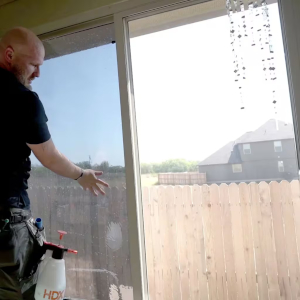
Each panel of film is precision-cut to your window’s exact dimensions. The film is applied to the interior surface of each window with a slip solution, then carefully squeegeed to eliminate air and moisture for a seamless, bubble-free finish. Most homes are completed in a single visit with minimal disruption to your daily routine.
Step 4
Before we leave, we inspect every window under multiple lighting conditions to confirm proper adhesion with no imperfections. We walk you through the post-installation care timeline, provide your XPEL warranty documentation, and make sure you know exactly what to expect during the curing period.
XPEL Residential Film vs. Generic Big-Box Film: Which Is Right for Your Home?
Understanding the key differences between professional XPEL installation and DIY or big-box store window film.
- Lower upfront cost ($2–$4/sq ft)
- Moderate UV blocking (varies widely)
- Limited heat rejection
- Adhesive often fails in 2–5 years
- May void the window manufacturer’s warranty
- Self-install risks: bubbles, creases, gaps
Investment & Lifespan
Ceramic • Clarity + Performance Starting at ~$8/sq ftOur most popular residential option. Advanced nano-ceramic technology delivers up to 85% IR heat rejection, 99% UV protection, and excellent optical clarity. Ideal for living rooms, bedrooms, and home offices where you want maximum comfort without darkening the view.
Neutral Tone • Privacy + StyleStarting at ~$7/sq ftA subtle, slightly tinted film that enhances daytime privacy while maintaining a clean, modern look. Excellent UV and heat rejection in a range of VLT options. Great for street-facing windows, bathrooms, and ground-floor rooms.
Near-Clear • Maximum Protection Starting at ~$10/sq ft. The premium choice for homeowners who want the highest level of heat rejection (up to 86% TSER) with a virtually invisible appearance. Perfect for historic homes, HOA-sensitive properties, and rooms with floor-to-ceiling glass where preserving the view is the top priority.
Care & Maintenance
Keep your residential window film performing and looking its best with these simple care habits.
First 30 Days After Installation (Curing Period)
- Do not clean the interior side of your tinted windows for at least 30 days to allow the adhesive to fully bond
- Small water bubbles and slight haziness are completely normal; they will disappear as moisture evaporates (residential curing takes longer than automotive due to less direct sun exposure)
- Do not try to smooth bubbles or pick at the film edges
- Keep windows closed as much as possible during the first week to allow the film to set
Seasonal Maintenance
- Inspect film edges twice a year for any lifting, especially along window seals and frames
- Remove bird droppings, tree sap, or hard water spots promptly, and soak with soapy water before wiping
- Avoid adhesive stickers, decals, or suction-cup mounts on filmed surfaces; removal can damage the film
- If using a professional window cleaning service, inform them that interior surfaces are filmed, so they use compatible products
Ongoing Monthly Care
- Use only ammonia-free glass cleaner (ammonia degrades tint film and adhesive)
- Clean with a soft microfiber cloth, never paper towels, newspapers, or abrasive pads
- Wipe in straight, gentle strokes rather than circular scrubbing
- Clean in the shade or when windows are cool; direct sunlight causes the cleaner to dry too fast and streak
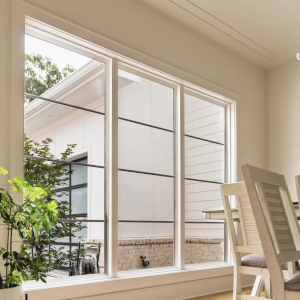
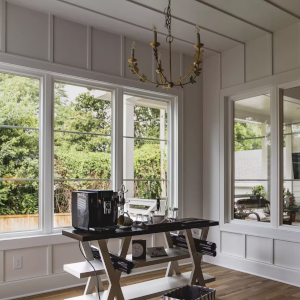
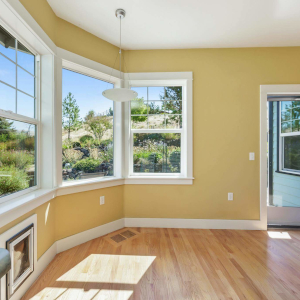
Residential Window TInt Gallery
Residential Window Film Glossary & Terms
VLT (Visible Light Transmission)
The percentage of visible light that passes through the glass and film combined. A higher VLT means a lighter, more transparent appearance. Most residential applications use 50–80% VLT to balance natural light with heat rejection.
TSER (Total Solar Energy Rejected)
The total percentage of solar energy (UV + visible light + infrared) that the film blocks. TSER is the most comprehensive measure of a film’s heat-rejection performance. XPEL Clear View Plus achieves up to 86% TSER.
Infrared Rejection (IR)
The percentage of infrared radiation the part of sunlight that produces heat, that the film blocks. XPEL VISION Ceramic films reflect up to 85% of infrared energy, making them dramatically cooler than standard or dyed alternatives.
Low-E Glass
Low-emissivity glass has a thin metallic coating that reflects heat. Many modern homes in the Bay Area already have Low-E windows. XPEL residential films are engineered to be compatible with Low-E glass without causing thermal stress or seal failure.
Nano-Ceramic Technology
A premium film construction that uses nano-scale ceramic particles to block heat and UV rays. Unlike dyed or metalized films, nano-ceramic film won’t fade, won’t interfere with electronics or Wi-Fi, and maintains optical clarity over time.
Curing (Residential)
The drying and bonding period after residential film installation. Because home windows receive less direct heat than car windows, residential curing typically takes 30–60 days, depending on season and sun exposure. Bubbles and haziness during this period are normal and temporary. For automotive curing timelines, see our automotive window tint guide.
Emissivity
A measure of how much heat a surface radiates. Low-emissivity films reflect heat back toward its source, keeping solar heat outside in summer and retaining interior warmth in winter, improving year-round energy efficiency.
Solar Heat Gain Coefficient (SHGC)
The fraction of solar radiation that enters through a window as heat. A lower SHGC means less heat gain. High-performance residential films significantly lower the SHGC of existing windows without the cost of full window replacement.