

If you have been researching how to protect your car, you have probably run into the term “automotive ceramic coating” and wondered whether it is the same thing as the ceramic window tint everyone in the East Bay talks about. It is not. Ceramic coating protects your paint. Ceramic tint protects your glass, your interior, and the people inside.
This guide breaks down exactly what automotive ceramic coating is, how it differs from ceramic window tint, and how to decide what your vehicle actually needs on Concord and Contra Costa County roads.
At Tru-Tints, we are an XPEL-certified specialist based in Concord, and we get this question almost every week. The honest answer matters more than a quick sales pitch, so here is the real breakdown.
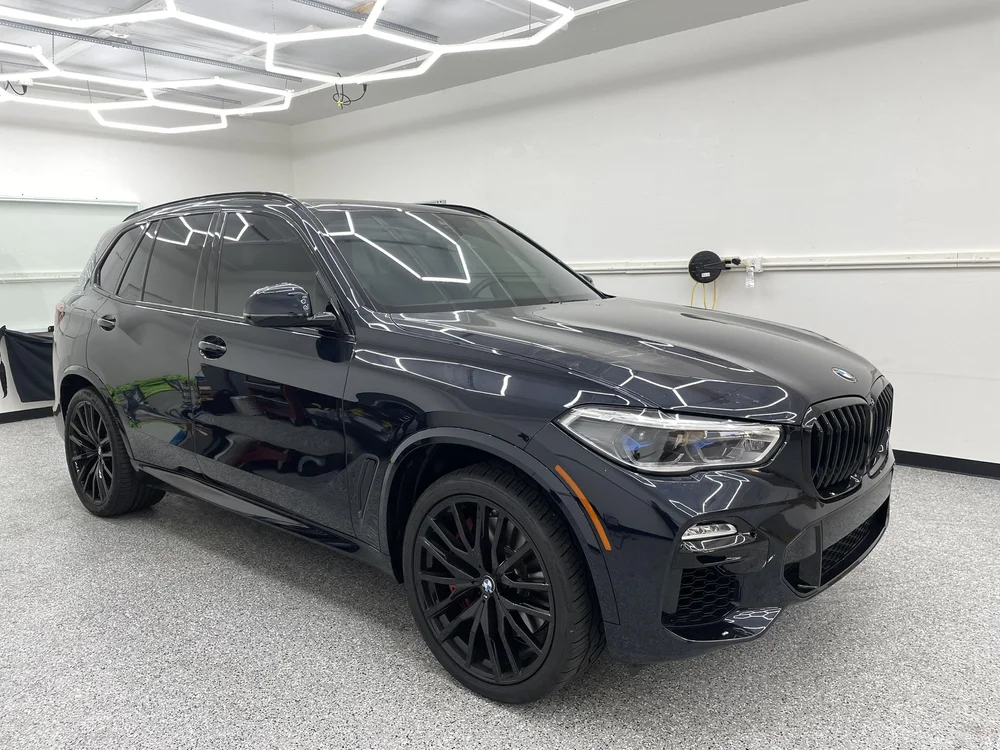
What Automotive Ceramic Coating Actually Is
Automotive ceramic coating is a liquid treatment applied to a vehicle’s painted surfaces. It is built around silica often listed as SiO₂ and cures into a thin, hard, glossy layer that bonds to the clear coat. Once it sets, that layer is hydrophobic, which is a technical way of saying water, dirt, and road grime have a much harder time sticking to it. The benefits people care about are practical:
Easier washing
Mud, dust, and tree sap slide off more easily, so your car stays cleaner between washes.
Deeper gloss
A good coating gives paint a noticeably richer, slicker finish.
Light scratch resistance
It adds a measure of protection against the swirl marks that build up from regular washing.
Chemical and stain defense
Bird droppings and bug residue are less likely to etch the finish before you can clean them off.
What ceramic coating does not do is just as important. It does not reject infrared heat from your cabin, it does not block the UV rays reaching your skin through the side glass, and it is not impact protection against rock chips. XPEL, whose products we install, is direct that a coating can repel water and resist minor scratches but is not designed to stop rock chips, which is a job for film, not liquid.
Ceramic Coating vs. Ceramic Window Tint: Two Different Products
This is where most of the confusion lives, and it is worth a side-by-side look. The word “ceramic” shows up in both names because both technologies use ceramic-based science, but they solve completely different problems.
| Feature | Automotive Ceramic Coating | Ceramic Window Tint |
| Surface it treats | Painted body panels, sometimes wheels and trim | Glass (side and rear windows) |
| What it is | A liquid nano-coating that cures to a hard, glossy layer | An optically clear or shaded film applied to the inside of the glass |
| Primary job | Protects paint, repels water and grime, adds gloss | Rejects heat, blocks UV, cuts glare, adds privacy |
| Reduces cabin heat? | No meaningful effect on interior temperature | Yes, quality film rejects a large share of infrared heat |
| Blocks UV reaching your skin? | Minimal, it sits on paint, not the glass you sit behind | Yes, quality film blocks up to 99% of UV |
| Stops rock chips? | No, coatings are not impact protection | No, that is the role of windshield protection film |
| What Tru-Tints offers | We specialize in glass, not paint coating | Yes, this is our specialty |
If your goal is a glossier, easier-to-clean paint job, that is the coating conversation. If your goal is a cooler cabin, less glare on the I-680 and Highway 4 commutes, and protection from sun damage, that is the auto window tinting conversation, and it is what we do all day.
Why the Sun Matters More Than Most Drivers Realize
Here is the part of this topic that a paint coating cannot help with at all. Your front windshield is laminated glass, so it filters most ultraviolet light. Your side and rear windows are not. According to The Skin Cancer Foundation, a front windshield blocks roughly 96% of UVA rays, while the average driver’s side window blocks only about 71%. That gap is exactly why long-time drivers often show more sun damage on the side of the body closest to the window.
This is not a niche concern for East Bay commuters who spend real hours on Highway 4, I-680, and Treat Boulevard. Quality window film can block up to 99% of UV radiation, and the Skin Cancer Foundation awards its Seal of Recommendation only to films that block 99% of both UVA and UVB light, which is the standard the films we install are built to meet. A ceramic coating on your hood does nothing for the UVA coming through the glass next to your arm. Quality ceramic tint does.
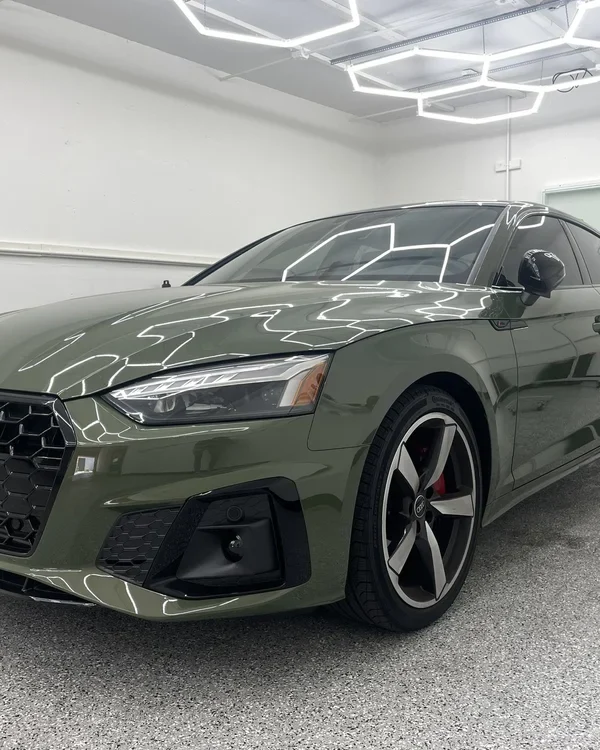
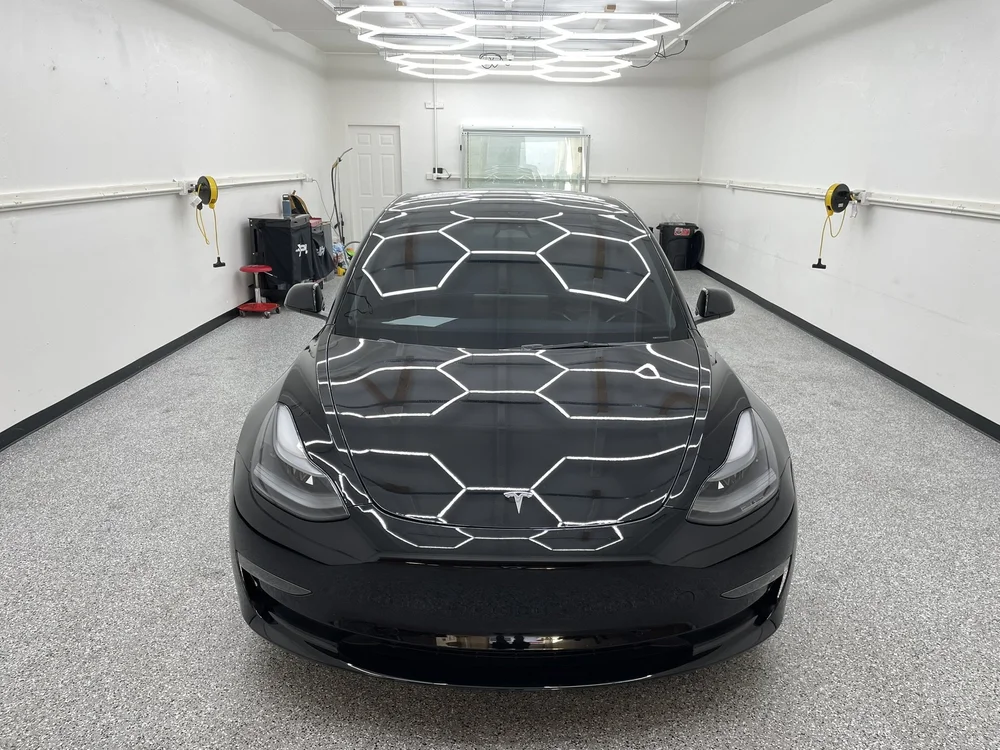
What Tru-Tints Specializes In: XPEL Ceramic Window Tint
We are an XPEL-certified specialist, and our focus is glass. The film we install most often, XPEL PRIME XR and PRIME XR PLUS, uses nano-ceramic technology that fights solar energy at the molecular level rather than just darkening the window. PRIME XR rejects up to 88% of infrared heat and PRIME XR PLUS up to 98%, and every PRIME film blocks 99% of UVA and UVB rays, a level recognized by the Skin Cancer Foundation’s Seal of Recommendation. That performance is what keeps a parked car in a Concord summer from turning into an oven and protects your dashboard and upholstery from cracking and fading.
Because these films are non-metallized, they do not interfere with your phone signal, GPS, Bluetooth, or the sensors and cameras built into newer vehicles. That last point matters more every year as cars get smarter. You can compare the specific PRIME options on the ceramic window tint page, and you can read more about heat, glare, and UV in our Knowledge Hub.
A quick note on staying legal: California’s window tint laws require front side windows to allow at least 70% of light through, while back side windows and the rear window can be any darkness. An experienced installer keeps your vehicle both protected and street legal, and we meter every job to confirm it.
The Paint-Protection Service We Do Offer:
If what is really driving your search is keeping your car looking new, there is one paint-protection-adjacent service we do provide, and it is the one that stops the most common damage in our area: windshield protection film. Concord drivers chip windshields constantly on I-680 and Highway 4 gravel, and a coating cannot prevent that. Windshield protection film is a clear, self-healing XPEL layer that absorbs rock and debris impact before it reaches your glass. It is the right tool for the rock chip problem, in the same way ceramic tint is the right tool for heat and UV.
So while we do not apply ceramic coating to paint, we cover the two protection needs East Bay drivers ask about most: comfort and sun protection through ceramic window tint and physical glass protection through windshield film.
Customer Testimonials
Our customers in their own words on our tinting services.


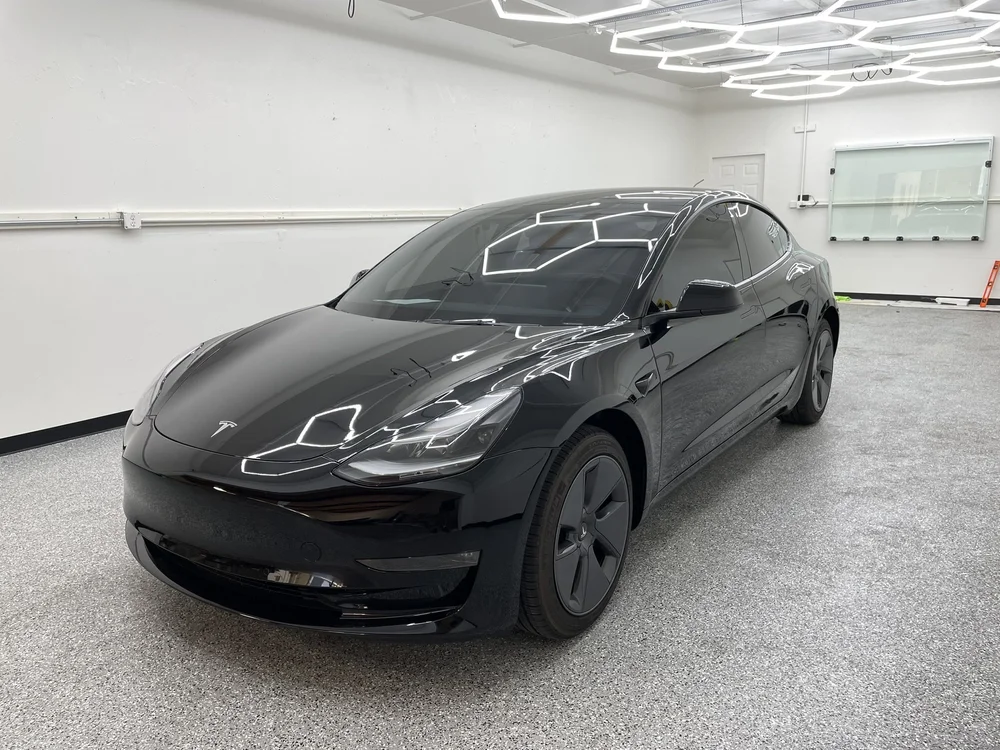
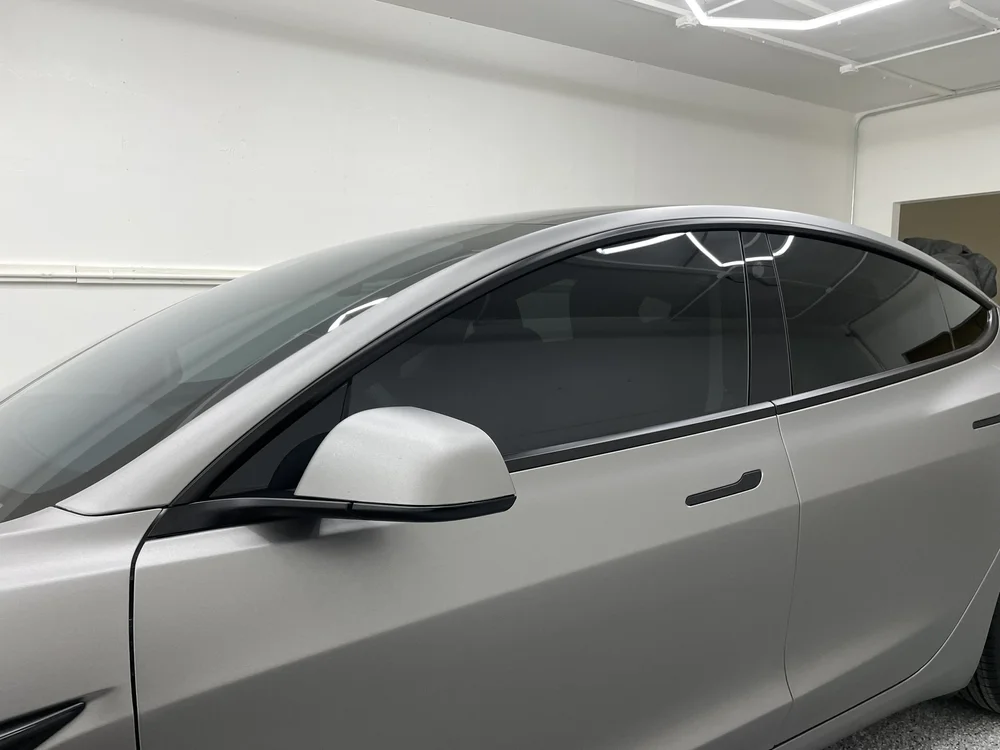
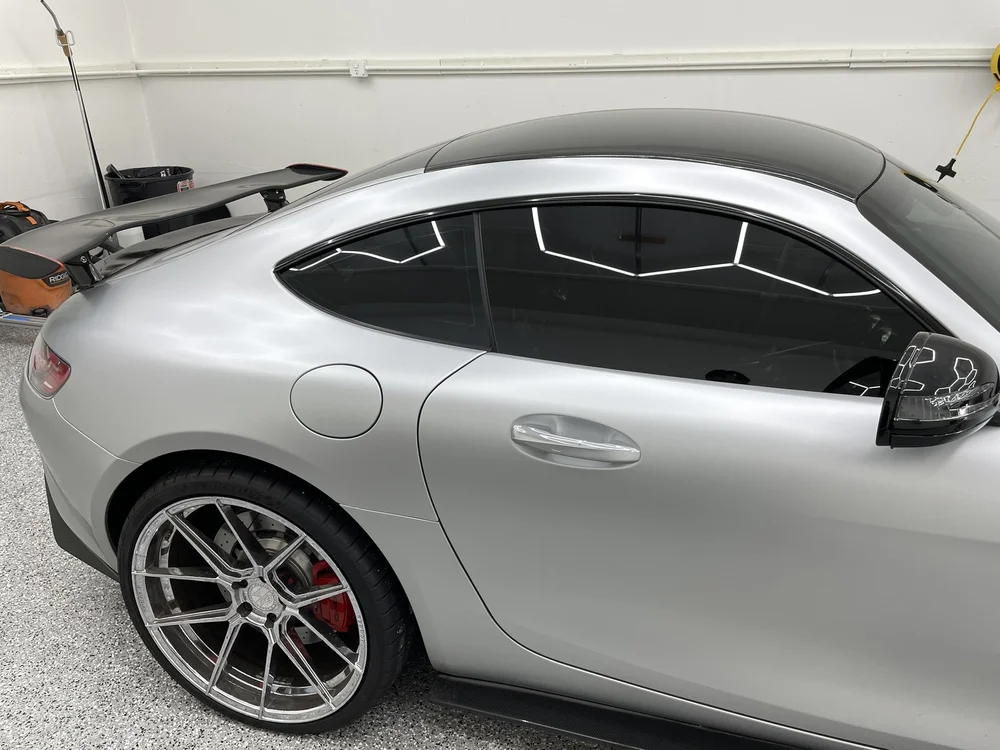
Image Gallery
See our stunning Window Tint transformations.

FAQ: Ceramic Coating and Ceramic Tint in Concord
Is Automotive Ceramic Coating The Same As Ceramic Window Tint?
No. Ceramic coating is a liquid treatment for painted surfaces that adds gloss and makes washing easier. Ceramic window tint is a film applied to glass that rejects heat, blocks UV, and reduces glare. They use related science but solve different problems.
Does Tru-Tints Apply Ceramic Coating To My Car's Paint?
We specialize in glass, not paint coating. Our expertise is XPEL ceramic window tint and XPEL windshield protection film. If your goal is heat rejection, UV protection, or stopping windshield rock chips, those are exactly what we install.
Will Ceramic Window Tint Actually Keep My Car Cooler On The I-680 Commute?
Yes. XPEL PRIME XR and PRIME XR PLUS reject a large share of infrared heat, which keeps the cabin noticeably cooler and eases the load on your air conditioning during East Bay summers.
Does Ceramic Coating Protect My Windshield From Rock Chips?
No. Even the manufacturer is clear that ceramic coating is not designed to prevent rock chips. For that, windshield protection film is the right solution because it physically absorbs impact before it reaches the glass.
What Is The Difference Between XPEL PRIME XR And PRIME XR Plus?
Both are nano-ceramic films that block 99% of UV. PRIME XR rejects up to 88% of infrared heat, while PRIME XR PLUS is the top-tier option, rejecting up to 98% for maximum heat control with excellent clarity.
Sources: The Skin Cancer Foundation on UV exposure through car glass and window film, and XPEL on the difference between ceramic coating, paint protection film, and PRIME window film.
Visit
Appointments recommended.
Walk-ins welcome when available.